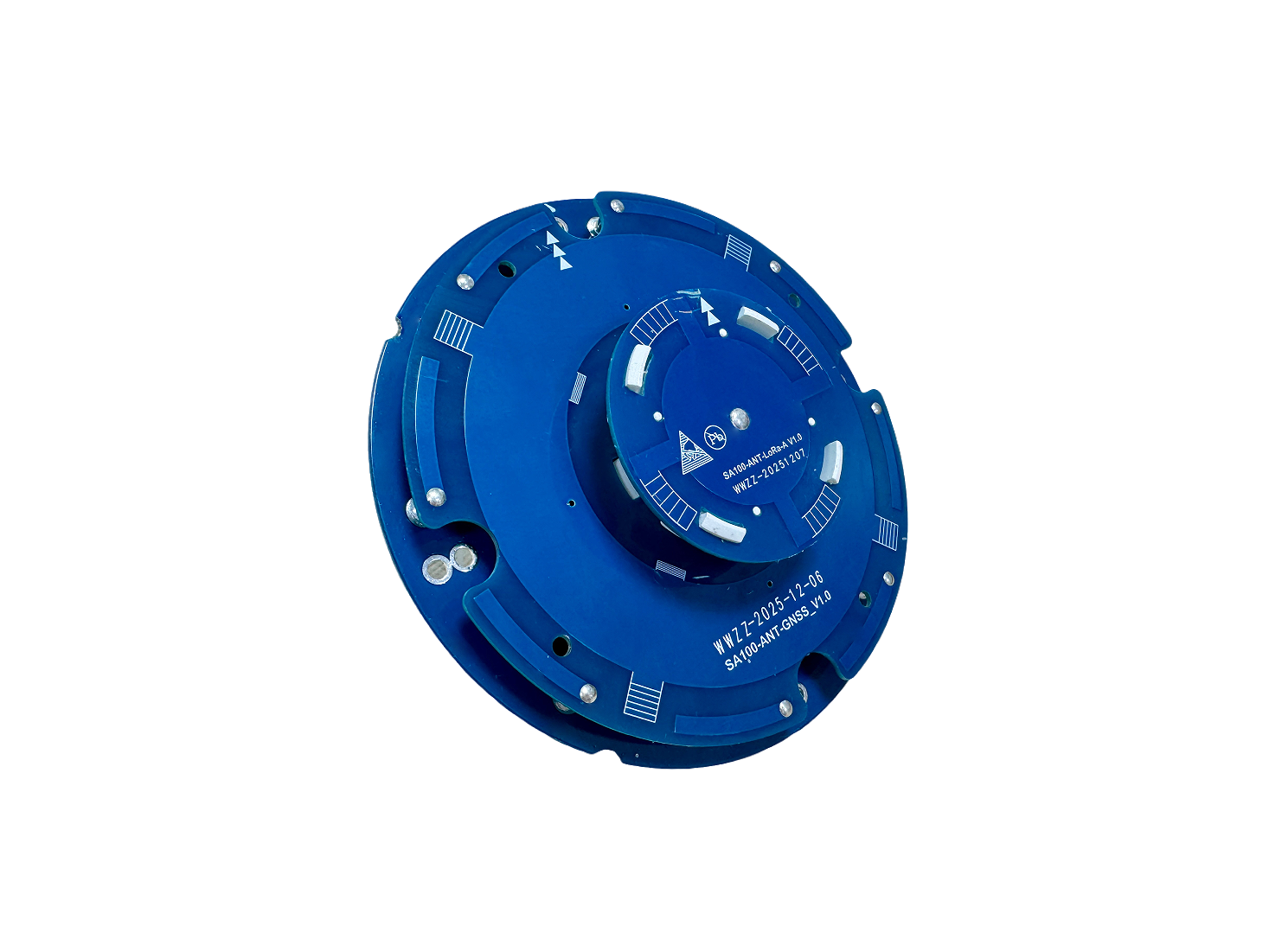
GNSS Smart Antenna
Lawn Mowers GNSS Smart Antenna
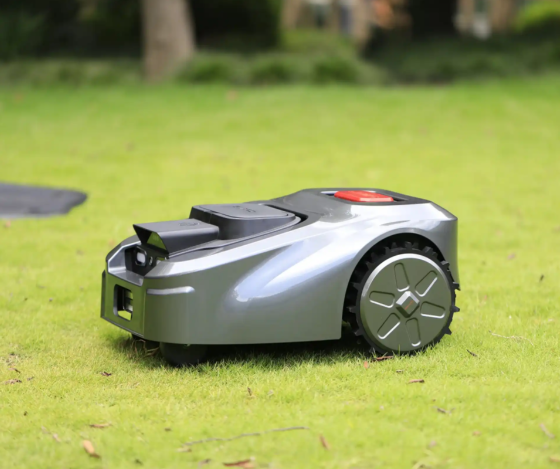
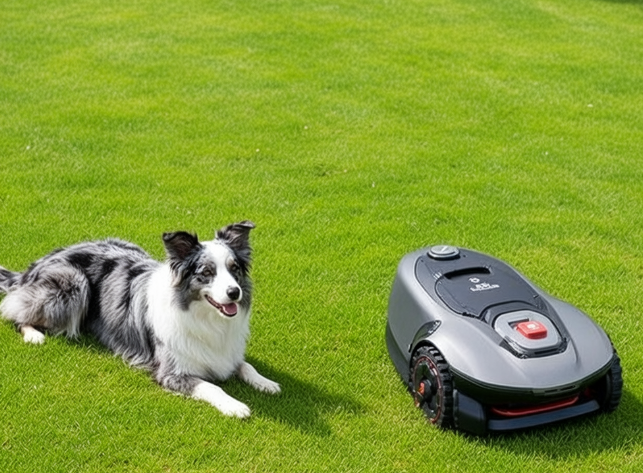
There are approximately 250 million private gardens worldwide, with around 100 million in the United States and over 80 million in Europe. For the vast majority of American households, the cost of hiring someone to mow the lawn on a single occasion falls within the range of 49 to147, with specific costs varying depending on the lawn area. For a relatively typical lawn of 1,000 square meters, the single-mowing charge ranges from 28 to 65. According to the Shenzhen Economic Daily, the annual shipment of global push lawn mowers reaches 16 million units, and the global shipment of lawn-mowing robots is expected to be around 1.3 million units in 2024. The core challenge for GNSS antennas in lawn-mowing robots lies in achieving continuous, stable, and high-precision positioning on a compact, harsh, and interference-prone mobile platform at a reasonable cost.

Features
It adopts a full-frequency GNSS antenna and integrates a high-performance full-frequency GNSS chip
c11.png
It has narrowband anti-interference capability
c1.png
Integrated LoRa chip, supporting custom protocol data transmission
Supports online OTA function
c17.png
Support coordinate tilt compensation function *(optional)
1716285988581540.png
Support the collaborative function of multiple base stations and multiple mobile stations
It has rich interfaces and good scalability
c81.png
Worry-free after-sales service, professional team
Solution
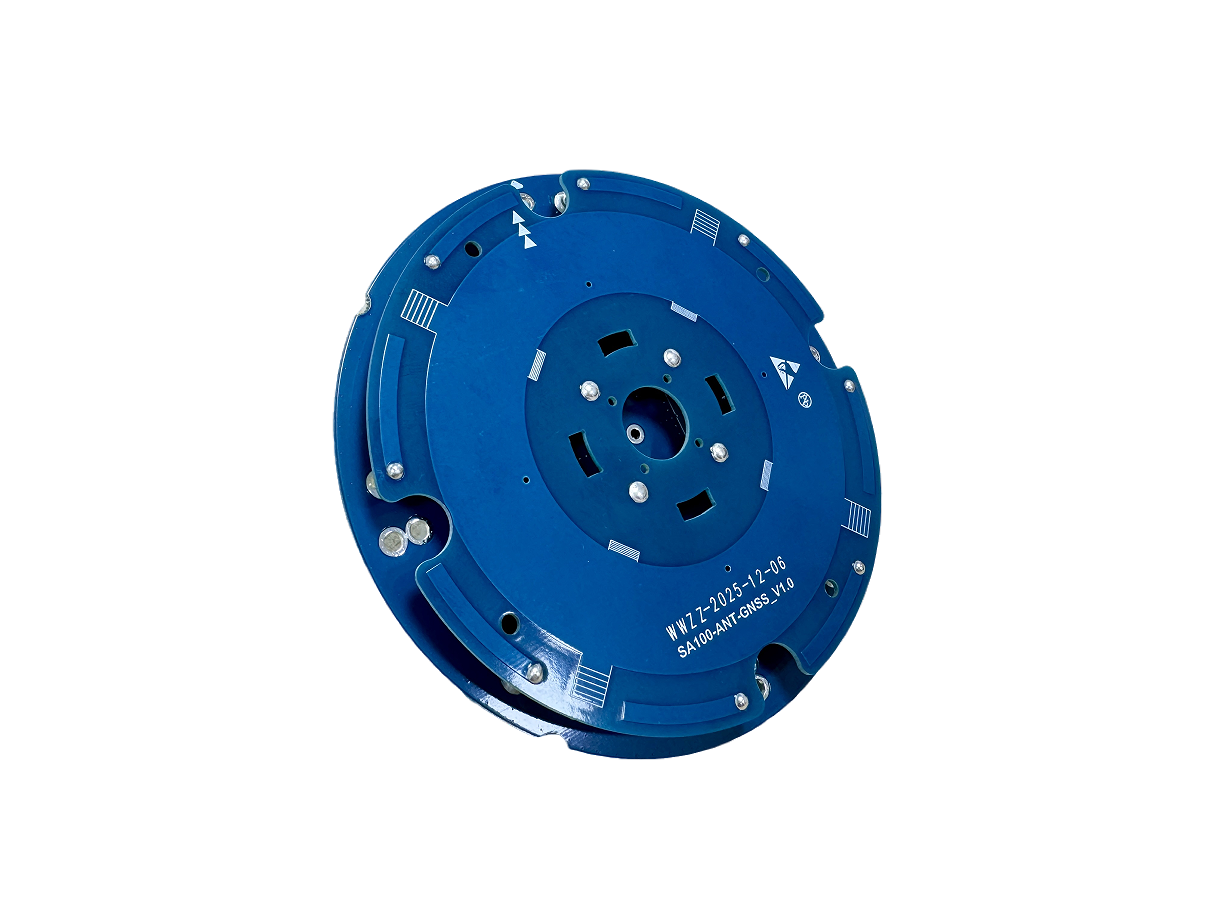
The GNSS smart antenna integrates a full-frequency GNSS antenna, a full-frequency GNSS chip, and a LoRa chip. It is capable of transmitting/receiving differential signals, achieving high-precision RTK positioning, and supporting coordinate tilt compensation functionality. It is widely applied in unmanned products such as lawn mowers and tractors used in gardens, agriculture, service sectors, and other scenarios.
Wan_图生图_根据附件,生成一张一模一样的割草机图.png
Industry case
割草机案例.png
YS Lawn mower
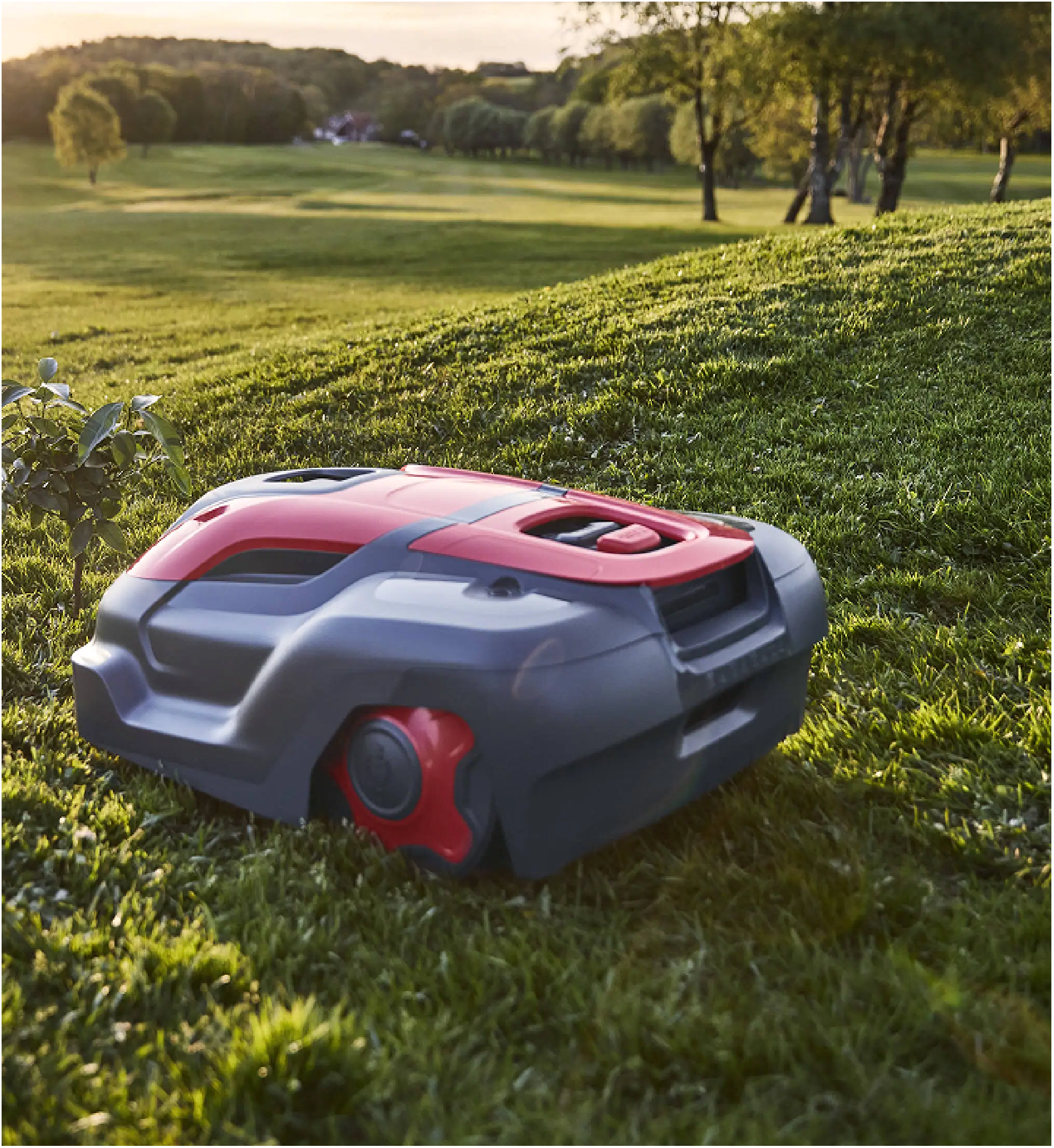
Traditional lawn mowing robots rely on a single satellite system. In scenarios such as house shading and tree shade, they are prone to positioning drift, resulting in missed mowing, path repetition or crossing boundaries. Especially in complex terrains (such as slopes and flower beds), the failure rate of mapping is high. Huayun Space-Time has launched the HY-SA100-9R high-precision GNSS smart antenna, forming an integrated solution of "module + antenna + service".
割草机案例3.png
A certain lawn mower project
Traditional lawn mowing robots determine the working area by laying cables or eddy current sensors, which incurs high initial laying costs and cannot flexibly adapt to terrain changes. In addition, the multipath effect and signal occlusion lead to large positioning errors, which affect the uniformity of cutting. After adopting the Huayun spatio-temporal antenna, the robot can accurately identify 10-centimeter-wide boundary lines, with the missed cutting rate dropping from 5% to 0.1%, and user satisfaction increasing by 95%.                
Solution Products
Online Message
Name
Phone
Company
Business requirements
Send